Scaffold Access & Encapsulation
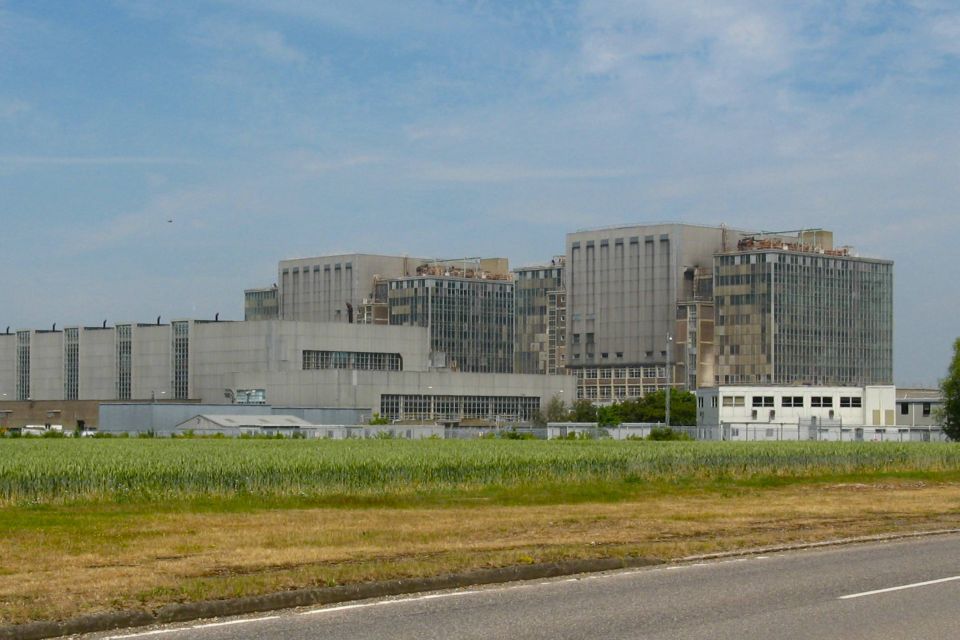
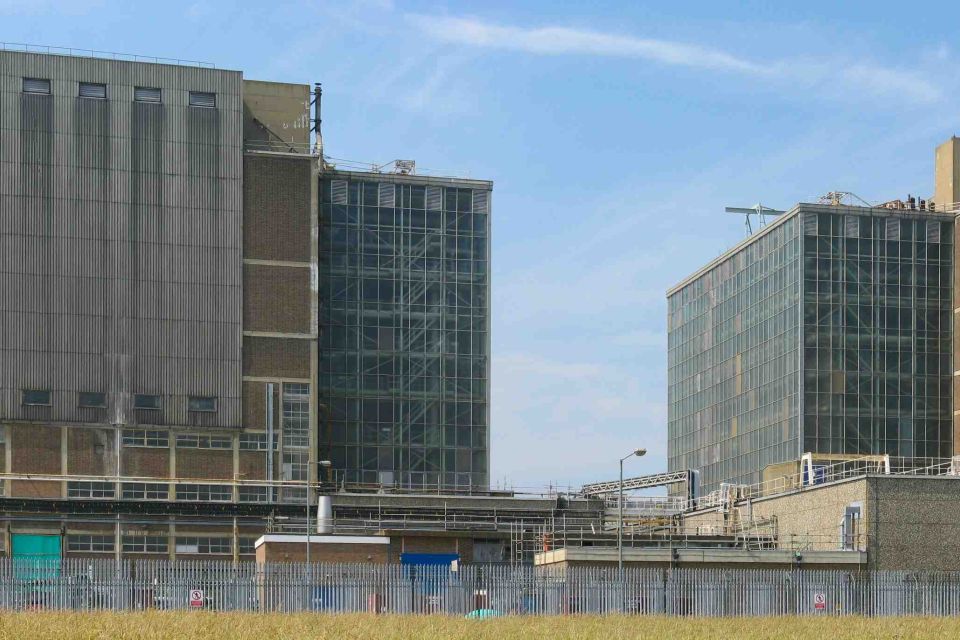
Bradwell Power Station
Decomissioning Works
-
50m High Independent Scaffolds -
Busy Live Site -
Radiation Area Decontamination -
Temporary Roofs
The Challenge
Between 2002 and 2018, Bradwell Power Station underwent a major decommissioning programme involving demolition, material recycling, and decontamination of low-radiation areas to ensuring a safe method of working.
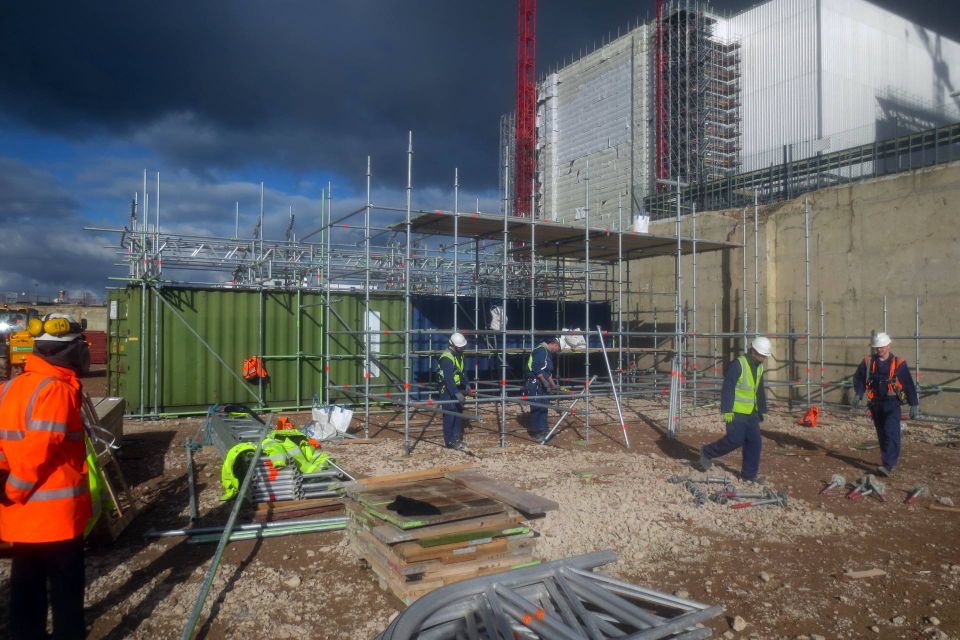
From 2013 to 2015, a full-time resident scaffold design engineer was required to manage later-phase scaffold structures and adaptions to earlier installations. The site was extremely busy, with multiple scaffold teams operating simultaneously. Early challenges centred on problem-solving for construction-stage designs, including access platforms, lifting frames, and adaptations to keep the project on programme.
The greatest technical challenge lay in ensuring the stability of 50-metre-high independent access scaffolds, fully exposed to on the North Essex coastline, across all stages of erection, use, modification, and dismantling.
The Solution
The two reactor buildings and their boiler houses were fully encapsulated in Layher system scaffolding to full height. This provided safe access for the removal of existing cladding and the installation of a permanent structural frame and weatherproof cladding, designed to safely contain radiation-emitting materials for the next 75 years.
Once the new frame was in place, scaffold ties were reconfigured into the permanent steelwork, enabling a carefully sequenced dismantling in parallel with cladding installation. In the most exposed zones, high-density debris netting replaced sheeting, permitting some wind flow through and reducing loads on the scaffold ties.
Inside the reactor building, an internal birdcage scaffold, rising nearly 50 metres and covering 3,500 square metres was constructed. At the time, it was among the largest internal birdcages in the world, providing weather protection during roof refurbishment.
Additionally, several temporary roofs were designed at low level to protect welfare facilities, meeting spaces, and material storage areas. These utilised existing scaffold equipment and kentledge blocks, optimising available site resources.
The Result
The Layher independent scaffolds provided clear, obstruction-free working lifts. System scaffolding made inside deck adaptations more efficient compared to traditional tube-and-fitting methods. Following cladding removal, scaffold arrangements were reconfigured to enable closer access for steel frame installation, and later adjusted again to reduce hop-up brackets and allow cladding installation outside the new frame.
The vast birdcage structure, finished with plywood and polythene sheeting, delivered both weather and fall protection. This allowed internal works to continue safely in parallel with roof refurbishment, saving time and ensuring the programme remained on track.